
When Broadway Avenue in District 3 developed significant potholes, staff began receiving repeated calls from frustrated residents. People wanted to know why it wasnΓÇÖt fixed and what ITD was doing about it.
District staff issued a press release, published a website blog and shared updates on social media outlining the background and the way ahead. According to District 3 outreach staff, once the information was public, call volume dropped by about 60%.
The pavement did not change overnight, but public understanding did.
That outcome was not the result of a single news release. It required maintenance staff explaining conditions, project managers outlining constraints and timelines, and district leadership being willing to put clear information on the record.
Public outreach is the process of connecting with an audience to inform them about issues, problems or opportunities in the community. At ITD, PIOs manage website updates, coordinate with media, oversee social media and support public meetings. Just as important, they translate technical information into language the public can understand. But they cannot do that in isolation.
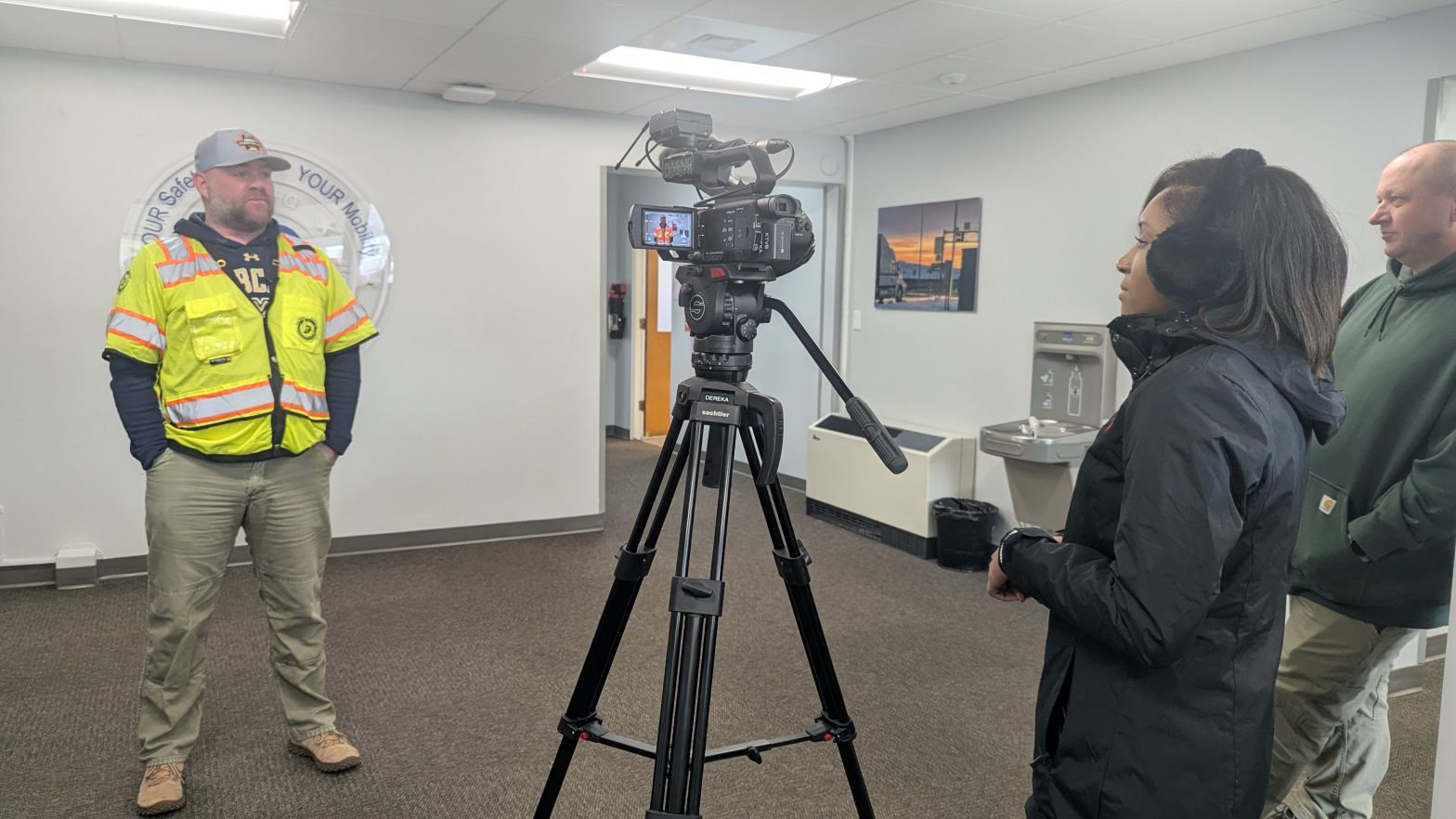
In District 4, a vehicle sped through a work zone and came so close to a worker that it ripped the pocket off his safety vest. He survived and was largely uninjured. The incident could have remained an internal safety reminder. Instead, the inspector chose to make himself available for interviews and to tell his story publicly.
Through coordinated social media and earned media outreach, ITD reached 1.5 million people with a clear message about work zone safety. The power of that message was in hearing directly from the worker who experienced itΓÇöit added credibility no press release could provide. When ITD provides interviews, employees see the preparation and coordination PIOs share with reporters. Behind the scenes, PIOs are also monitoring coverage, answering media questions and ensuring accurate information is available.
The PIO works to facilitate communication. The true impact depended on a staff memberΓÇÖs willingness to step forward and speak honestly about what happened.
On State Highway 21, a rockslide closed the roadway. Calls quickly followed asking when it would reopen. Maintenance crews provided photos and video showing massive boulders covering the highway and machinery working to clear the road. Once residents could see the scale of the slide and the effort required to clear it, feedback shifted to nearly all positive. Similar situations occur regularly across Idaho, and each of ITDΓÇÖs six districts has a dedicated PIO who helps share information and context with the public.
Photos from the field, timely updates from maintenance, accurate details from project managers and a coordinated release through media and social platforms all worked together. Without the information from the field, there is no story to tell.
Public outreach is essential for creating awareness, educating the public and fostering trust. Transparency supports accountability and reduces frustration. That trust also has real consequences beyond a single project. ITDΓÇÖs strongest legislative support and largest budgets have come during periods when the public had the greatest confidence in the departmentΓÇÖs work. Trust encourages positive behavior in work zones, improves public understanding of construction impacts and strengthens support for the transportation system Idaho relies on.
Public outreach is not limited to social media posts or press interactions. It is also reflected in the daily interactions ITD employees have with the public. Recently in District 1, a newspaper covering a project closure complimented the departmentΓÇÖs staff for how they handled questions from the community. In District 3, the community outreach specialist builds positive interactions with residents every day. PIOsΓÇÖ ability to communicate clearly also supports ITD internally. These skills help project managers and leaders ensure their communications are clear, efficient and less likely to create confusion or process conflict. PIOs do more than produce communication products ΓÇô they also help create meaningful public involvement.
For project managers, the practical takeaway is straightforward. Outreach is not separate from project delivery; it is part of it. Early coordination with a PIO allows questions to be anticipated instead of answered reactively. The public experiences ITD through closures, detours, noise, delays and improvements. Sharing details, photos and context early helps the public have a clearer understanding of decisions that may otherwise feel abrupt or unexplained.