
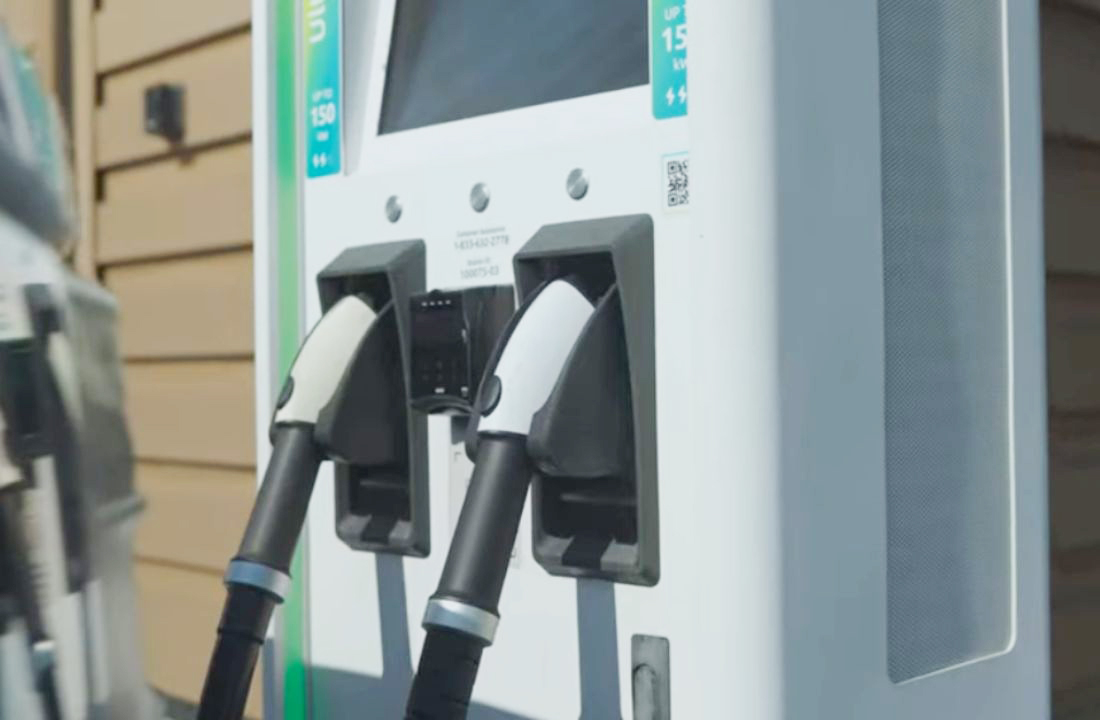
What is NEVI?
The National Electric Vehicle Infrastructure (NEVI) Formula Program is a federal initiative created through the Infrastructure Investment and Jobs Act in 2021. It provides states with funding to build an interconnected network of fast-charging stations to improve coast to coast electric vehicle (EV) travel. NEVI established national standards for charging performance and reliability, including minimum power levels and uptime requirements that apply across all funded stations.
The Federal Highway Administration (FHWA) issued updated guidance in 2025 that offered states more flexibility to implement the NEVI program. Each state is responsible for developing its own approach to best serve state and nationwide EV travel, including identifying priority corridors, evaluating potential sites, and coordinating with utilities, communities, and private partners.
Idaho NEVI Program
Idaho’s NEVI program is led by an interagency working group (IAWG) comprised of the Idaho Transportation Department (ITD), the Office of Species, Minerals, & Energy Coordination (OSMEC), and the Idaho Department of Environmental Quality (DEQ). The IAWG was established to integrate transportation planning, energy policy, and environmental considerations into program planning and implementation. Together, these agencies coordinate how the program is carried out and how allocated federal funds will be distributed across Idaho.
Idaho utilized public input and technical analysis to help build a program that works across the state’s geography and travel patterns, prioritizes reliable travel along key corridors, improves rural access, and locates stations near existing services where possible.
Contact Us
PROGRAM TIMELINE
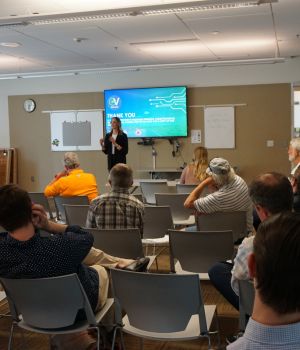
2022: The Idaho NEVI Program began with a public involvement push. The IAWG met with communities across the state to understand where charging stations would be most impactful. Access to rural areas, dependable stations, and locations near services people already use emerged as recurring themes among residents, businesses, local governments, and other stakeholders.
During this same period, Idaho completed and submitted the 2022 State of Idaho Electric Vehicle Infrastructure Baseline Plan to the Federal Highway Administration (FHWA), detailing how the state would approach program deployment and meet federal requirements.
2023: Outreach continued in 2023 alongside more detailed technical analysis. The state completed the Siting, Feasibility, and Access Study (SFAS) to examine where charging stations could realistically be built. The study evaluated locations based on traffic patterns, available power, geographic coverage, and proximity to services. It created a framework for comparing sites and helped narrow down where future investment would make the most sense.
2024: Idaho completed the 2024 Baseline Plan Update and received FHWA approval. Soon after, the program entered a national pause while the current administration reviewed program requirements, which was updated in late 2025.
2026: With updated federal guidance in place, coordination across agencies and partners has resumed. Current work is focused on preparing for solicitations, reviewing potential sites, and updating earlier assumptions based on changes in the charging landscape.
FAQs
NEVI provides federal funding to states to develop fast-charging EV infrastructure along alternate fuel corridors across the state. Federal funds cover up to 80 percent of project costs, with private industry making up the difference.
Priority locations were identified through public input and technical analysis, including the Siting, Feasibility, and Access Study. Sites were evaluated on multiple criteria, including traffic volumes, access to electrical infrastructure, geographic coverage, and proximity to services. The top 40 priority locations can be found in the SFAS linked under ‘Resources’ below.
Idaho is preparing for the next phase of implementation, including solicitations and site selection. First procurement is anticipated to occur in 2027, after which construction will move forward as projects are awarded and finalized.
Charging stations are developed and operated by private partners through a state-led procurement process, following federal and state requirements.