
Idaho is home to finned, feathered, and furred animals that make the state a sought-after place to live and visit. Like humans, wildlife also travel and traverse across highways in search of food, better habitat, or mates, which can result in significant concerns for public safety. Each year there are an average of 1,010 crashes involving wildlife on highways and interstates. These crashes can result in the mortality of wildlife as well as human fatalities. Some years no human fatalities are recorded; however, most years between one and four people are killed as a result of a wildlife-vehicle collision.
ITD develops projects and works with agency partners like the Idaho Department of Fish and Game (IDFG) to reduce risk. Wildlife mitigation for that risk is often required through environmental processes during project development.
Wildlife Studies
Wildlife-vehicle collision hot spots have been documented on every Interstate, US highway and State highway within the state. ITD is dedicated to making roads safer for motorists and the first step is knowing where the problems exist. A 2014 ITD-sponsored study identified top areas of wildlife collisions and wildlife-vehicle conflict statewide was one of the first of its kind but there was a need to update that study. This 2025 study is intended to help reduce wildlife-vehicle conflict by providing support in identifying the locations where wildlife mitigation would be most cost-effective, which would make Idaho roads safer.”
Studies
-
2025
-
2025
-
2014
Wildlife Crossings
Wildlife crossings like underpasses or overpasses can drastically reduce the risk of wildlife-vehicle collisions when planned and positioned appropriately.
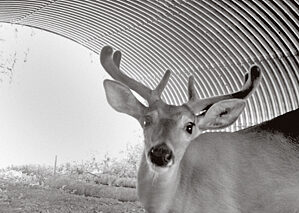
The type of crossing structure depends on a number of factors. The department works with IDFG to analyze data including roadkill or carcasses, crashes, traffic volumes, migration and movement routes and more. Once a need is established, the agencies coordinate on what type of crossing is appropriate; some larger animals, like elk, are more comfortable using overpasses than underpasses.
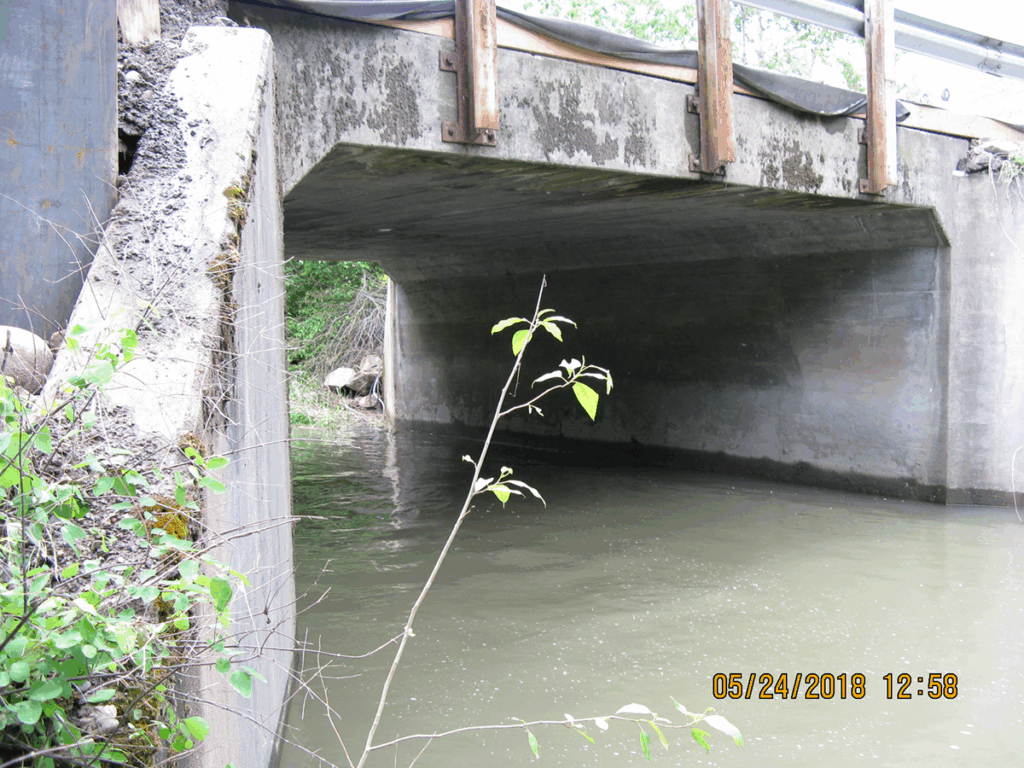
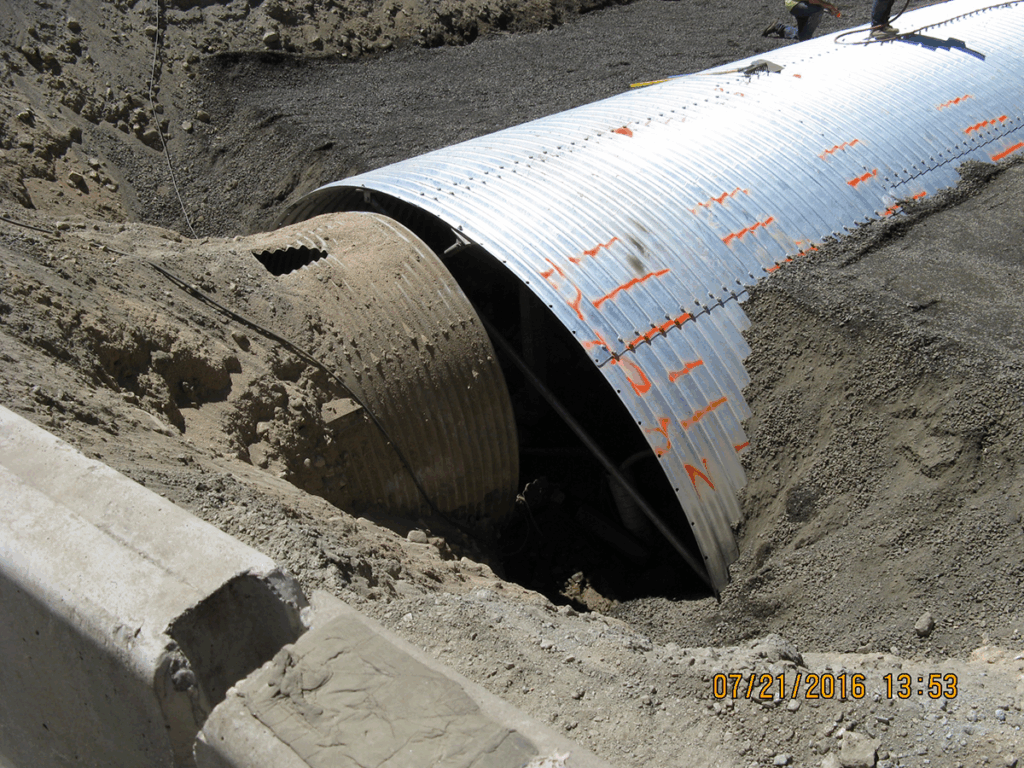
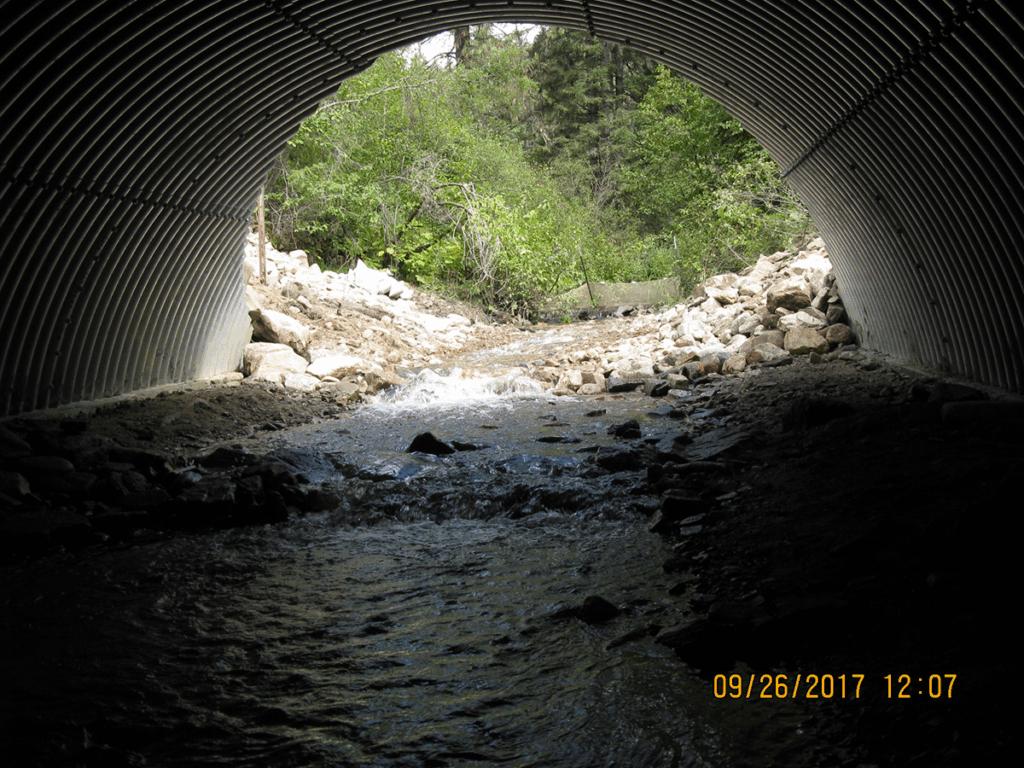
ITD also identifies infrastructure that restricts the movement of fish. Steep or undersized culverts can prevent fish from moving upstream to access spawning habitat, find food or escape predation or stranding.
Funding for wildlife crossings primarily comes from competitive federal grants; no dedicated state funding is available. Projects are primarily identified by staff at regional offices based on demonstrated need.
Fish Passage
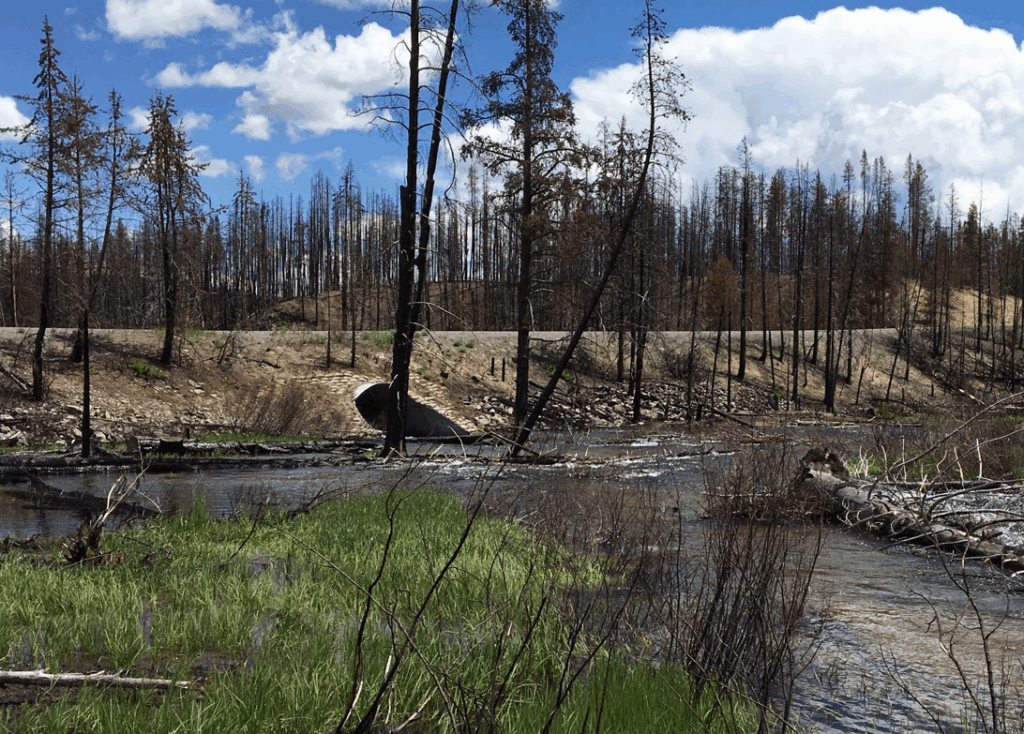
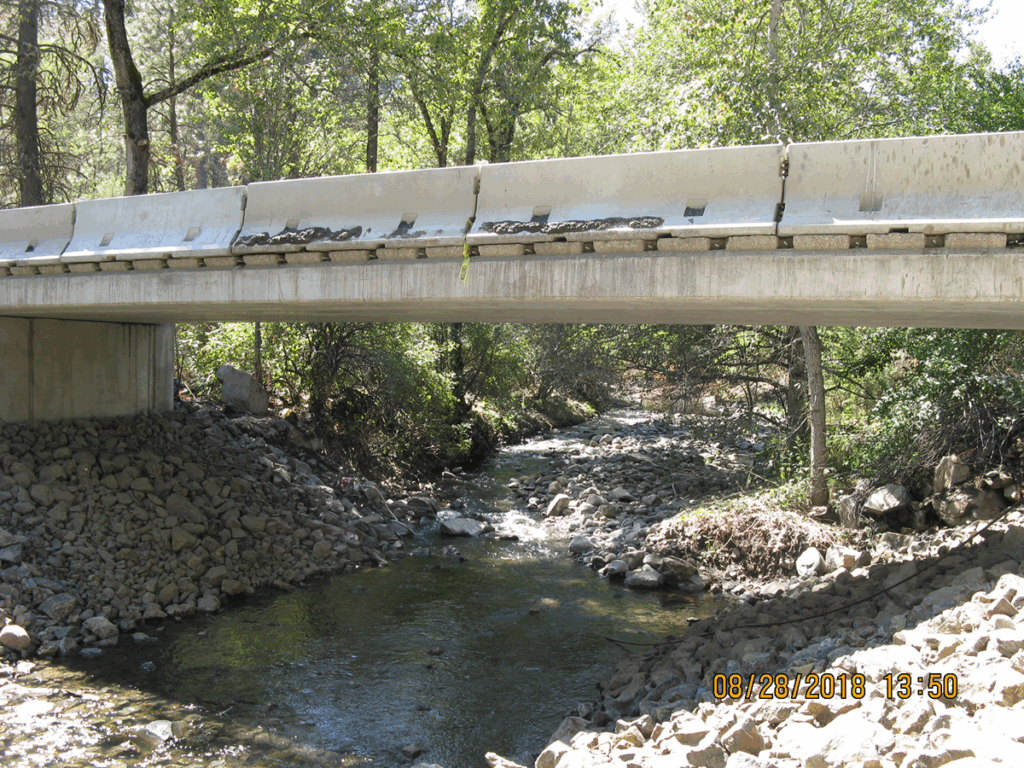
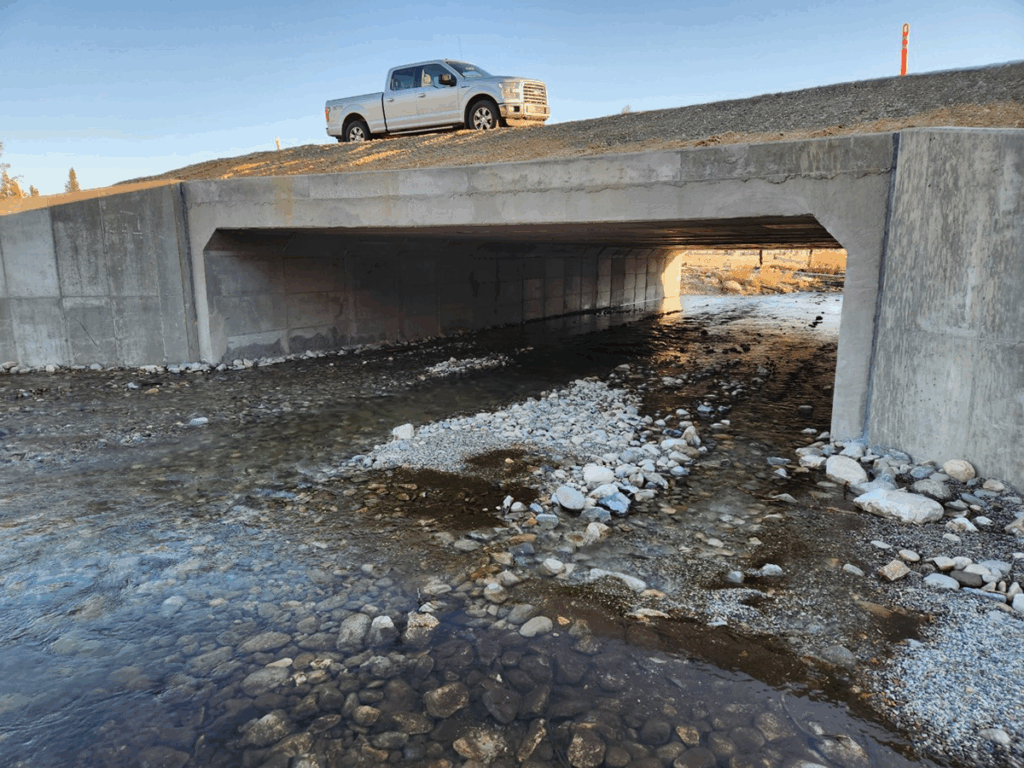
Highway infrastructure can inadvertently limit the movement of fish to access habitat to spawn, search for food, migrate or escape predation. Culverts can be too steep or too small, creating faster flows that make it difficult for fish to swim upstream; they can also be perched too high above the channel and prevent fish from moving upstream.
When planning projects to improve existing highways, ITD actively looks to remove these barriers, often by replacing culverts with bridges or modifying culvert designs.
Ongoing & Future Projects
-
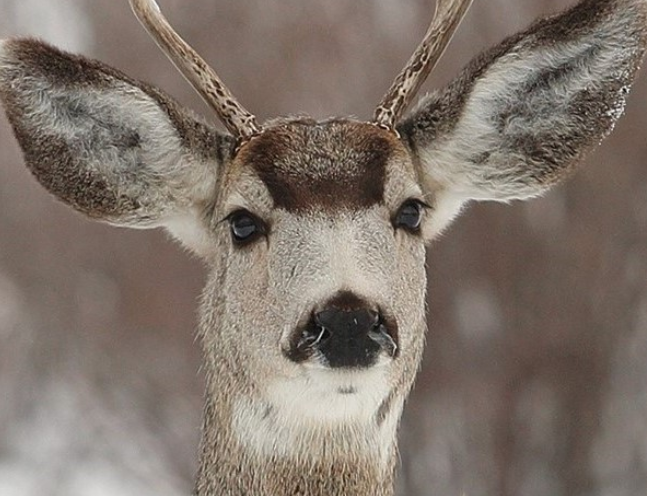
May 9, 2025
US-30 Rocky Point Wildlife Crossing
The Idaho Transportation Department and the Idaho Department of Fish and Game are working together to design wildlife crossings south of Montpelier on US-30 at Rocky Point.
Completed Projects
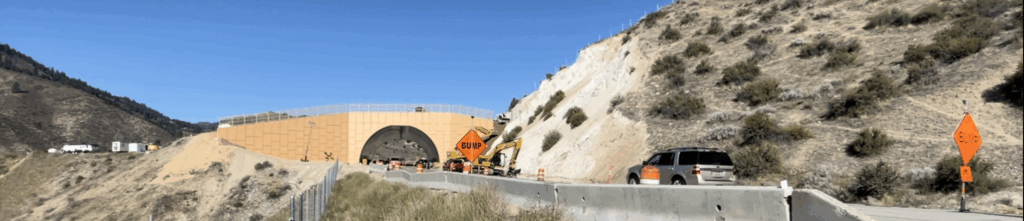
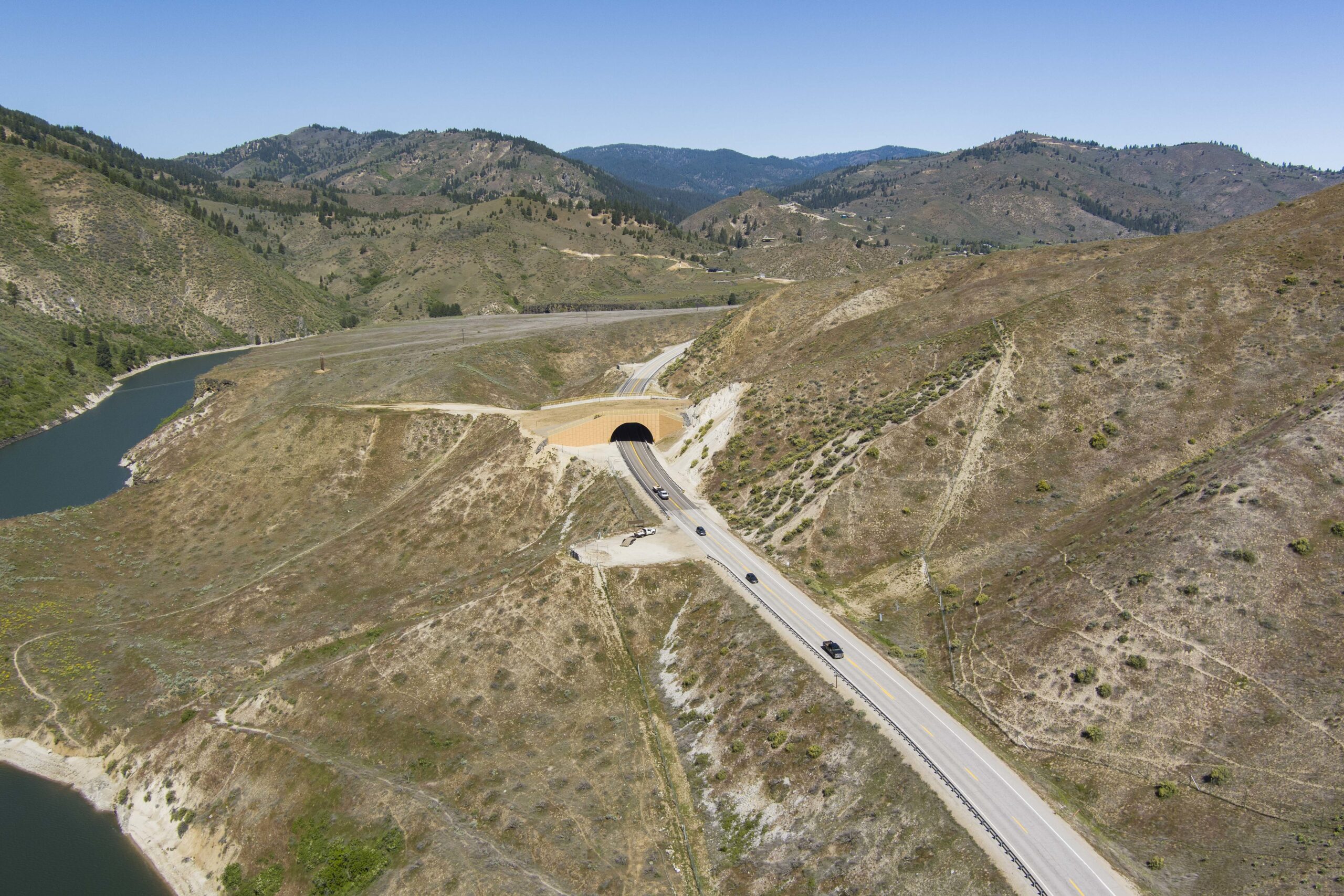
Projects to reduce wildlife-vehicle collisions and improve habitat connectivity have been constructed in many locations statewide, including most recently on State Highway 21 near Lucky Peak State Park. Big game began using the overpass as soon as it was constructed in late 2023 to safely pass over the highway without posing a threat to drivers.
The project was funded by a $7.2 million federal grant and is expected to reduce wildlife-vehicle collisions by 80 percent.