
Overview
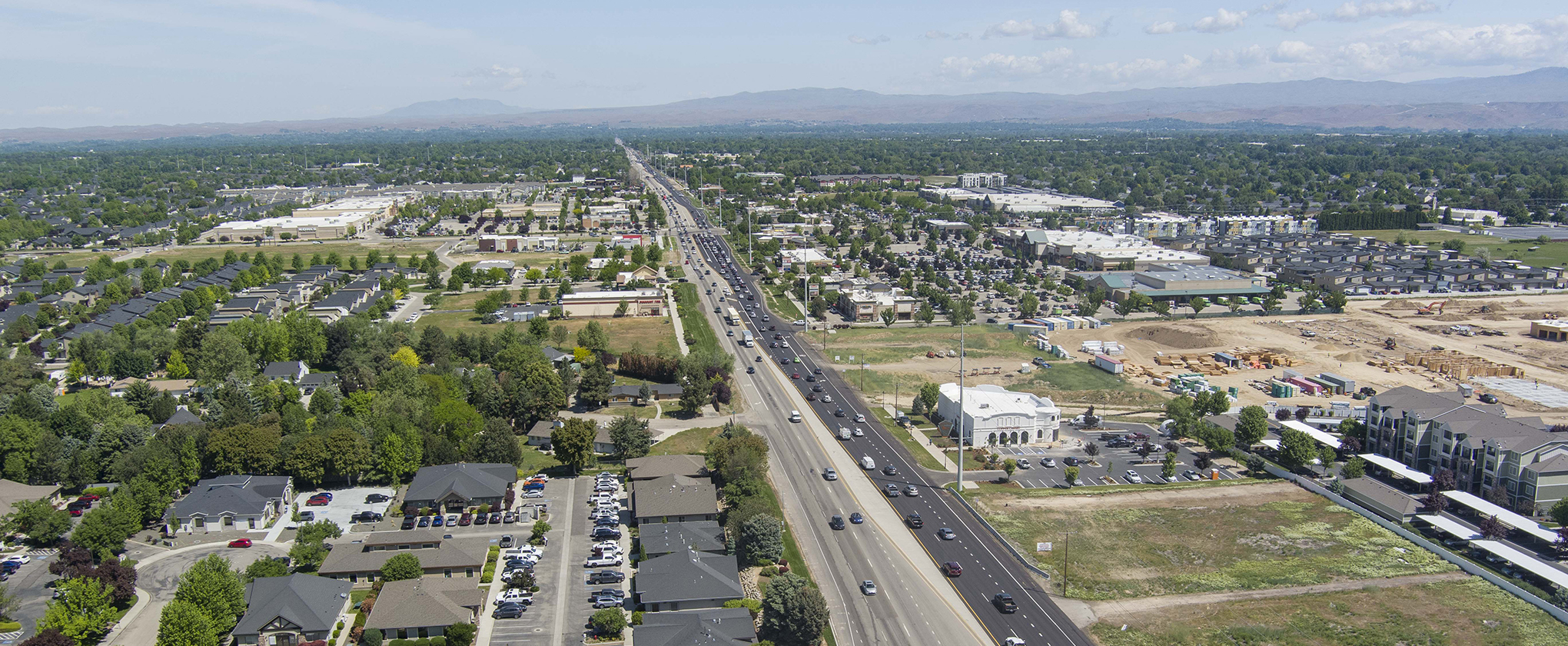
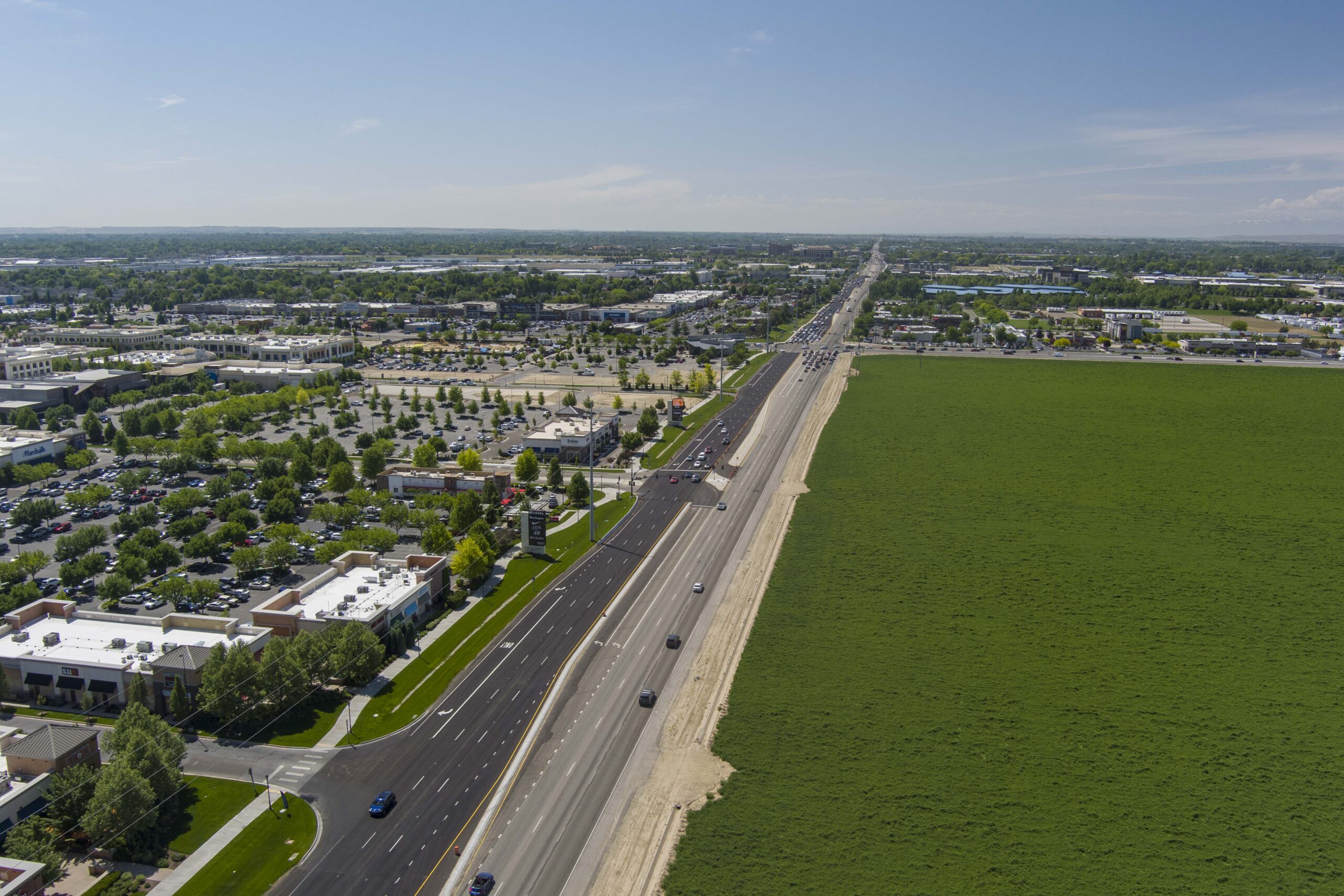
The Idaho Transportation Department has launched a safety pilot to evaluate potential safety improvements and their effects along Eagle Road (State Highway 55), from Interstate 84 to State Highway 44. Eagle Road is Idaho's busiest non-interstate highway.
This multi-year initiative supports ITD's ongoing efforts to reduce crashes and improve traffic flow through targeted, data-driven upgrades.
To date, ITD has removed several unsignalized left-turn movements along the corridor and will activate a variable speed limit system in August 2026.
Update – VSL Signs
August 2026 Update
During the first several days of operation, the signs will remain at the current speed limit (55 mph) to give drivers time to become familiar with the new signs and allow the old signs to be removed.
Starting August 17, the VSL signs will:
- Reduce speed limits from 55 mph to 45 mph during weekday peak travel times from 7 to 9 a.m. and from 4 to 6 p.m.
- Activate a flashing beacon when lower speeds are in effect so drivers know when to slow down.
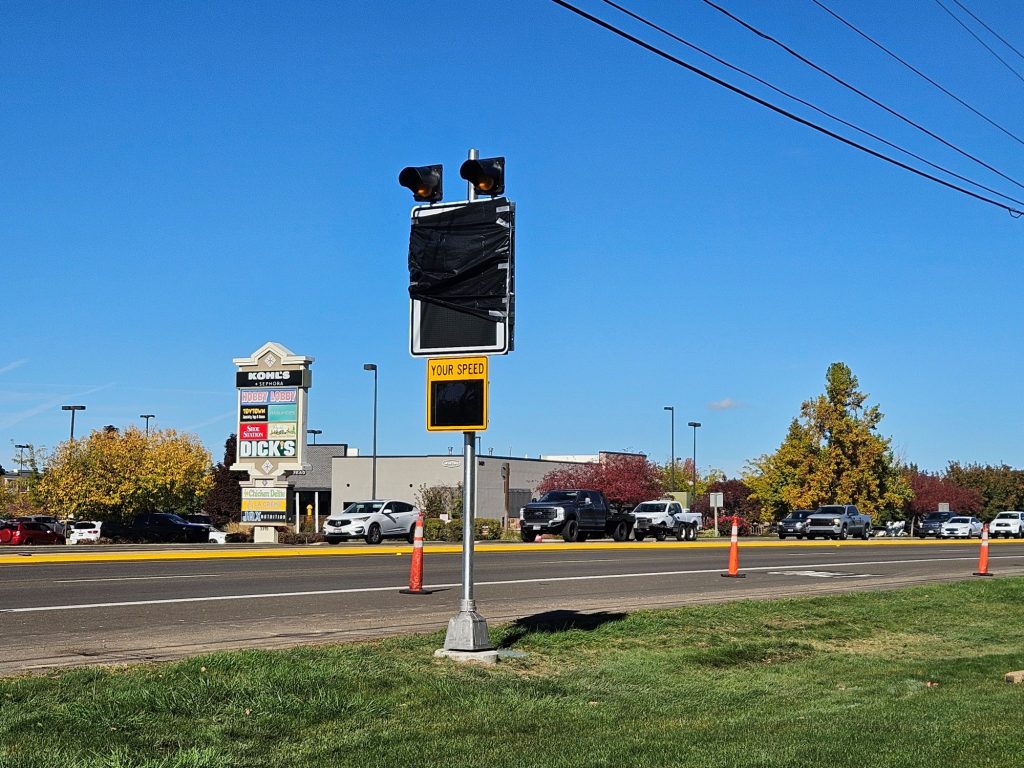
Additional LED speed feedback signs will alert drivers who are over the speed limit.
The new signage has been installed at key locations between Franklin Road and Chinden Blvd. following a recent safety study and coordination with local stakeholders, community leadership and law enforcement. ITD will monitor traffic flow and crash rates over the two-year pilot project.
Safety Improvements
This project has included:
- Installation of additional safety signage
- A variable speed limit (VSL) corridor on Eagle Road between Franklin Road and Chinden Boulevard during periods of heavy congestion
- The VSL system will reduce speed limits from 55 mph to 45 mph during peak congestion times from 7 a.m. to 9 a.m. and from 4 p.m. to 6 p.m.
- Removal of three mid-block left turns identified as high-risk areas:
- Southbound U-turn at Bourbon Street (near Ustick Road)
- Northbound left turn lane at Baldcypress Street
- Two-way left turn lane near the Boise River in Eagle
Community Input
To help spread awareness of the upcoming project, ITD held two public open houses in August 2024 to gather feedback and answer questions from the community.
Project Timeline
-
2022
Working group meetings
-
Fall 2023
Contract with national traffic engineering experts for review of signal timing and operations
-
Spring 2024
Presented pilot project to Meridian City Council
-
Summer 2024
Public Meetings
-
Summer 2026
Variable speed limit implementation between Franklin Road and Chinden Boulevard
Frequently Asked Questions
Our ongoing commitment is to enhance safety on Idaho’s highways. At the request of the city of Meridian, we conducted a thorough traffic operational study of Eagle Road. This involved working group meetings with local cities and law enforcement. We also contracted with a national traffic engineering expert consultant for review of signal timing and traffic operations. Additionally, ITD works to stay abreast of new and evolving technology by interacting with trade associates and nationwide research, and variable speed limits have been discussed in these national meetings. The idea for the variable speed limit pilot on the State Highway 55 corridor was put forth by ITD staff members similar to what has been used in Idaho construction zones on Interstate 84 and Interstate 90. It is a means of trying to inform drivers what speed limit would be appropriate during both congested and non-congested periods.
The lower speed limits will be in effect from 7-9 a.m. and 4-6 p.m. during weekday peak travel times. This will help create more consistent speeds across lanes, particularly in situations where some lanes are slowed or stopped while others continue moving at higher speeds. Outside of the designated peak travel times, the posted speed limit will remain at 55 mph. Once in place, the corridor will be continually monitored to ensure the limits remain effective.S
Yes, the speed limits displayed by the VSL signs are enforceable by law enforcement. Please adhere to the posted speed limit and remember, when the flashing beacons are on, the variable speed limit is in effect.
Crashes often happen when cars are traveling at varied speeds. Setting the speed limit closer to the speed actually traveled during congested times will help reduce abrupt slowdowns and the crashes they create.L
ITD began by increasing safety signage in the corridor and closing some of the unsignalized left turns. Additionally, the department will install a variable speed limit system. The VSL system includes signs with LED number panels, flashing beacons, and speed feedback signs to encourage caution during heavy traffic volumes on Eagle Road. At non-peak times, the signs will remotely return the speed limit to the existing posted speed in the pilot area.
The pilot project area is from SH-44 to I-84 with VSLs from Franklin Road to Chinden Boulevard. Variable speed limit signs are installed at an interval of at least every mile along the roadway and during predetermined congested traffic times display a 45-mph speed limit.
In August 2026, ITD will activate variable speed limit signs. These LED panels display the current speed limit, and flashing beacons activate when lower speeds are in effect so drivers know when to slow down. Additionally, speed feedback signs show how fast vehicles are moving to encourage compliance.
To the department’s knowledge, this would be the first VSL corridor on a six mile long signalized urban highway corridor in the United States. The practice has been used on freeways in states like Arizona, Colorado, North Dakota, Oregon, Tennessee, and Virginia. FHWA has reviewed these installations and found significant safety benefits as outlined in Circular FHWA-SA-21-054. ITD has deployed the practice in temporary construction work zones on Interstate 84 (I-84) in Canyon County and the Magic Valley. The study will span two years, after which ITD will assess the data to determine the next steps for this corridor.
Additional safety signage, removing un-signalized left-turn access, and introducing a variable speed limit zone with speed feedback signs assisting only during peak congestion times. The corridor is over six miles long with 18 signals and 60,000 vehicles per day. Through this proposed two-year pilot effort, our goal is to enhance safety by implementing these several key measures that should work together to reduce crashes.
Contact Information
Email: SH55EagleRoad@itd.idaho.gov